Echidna
Short-beaked Echidna
Tachyglossus aculeatus
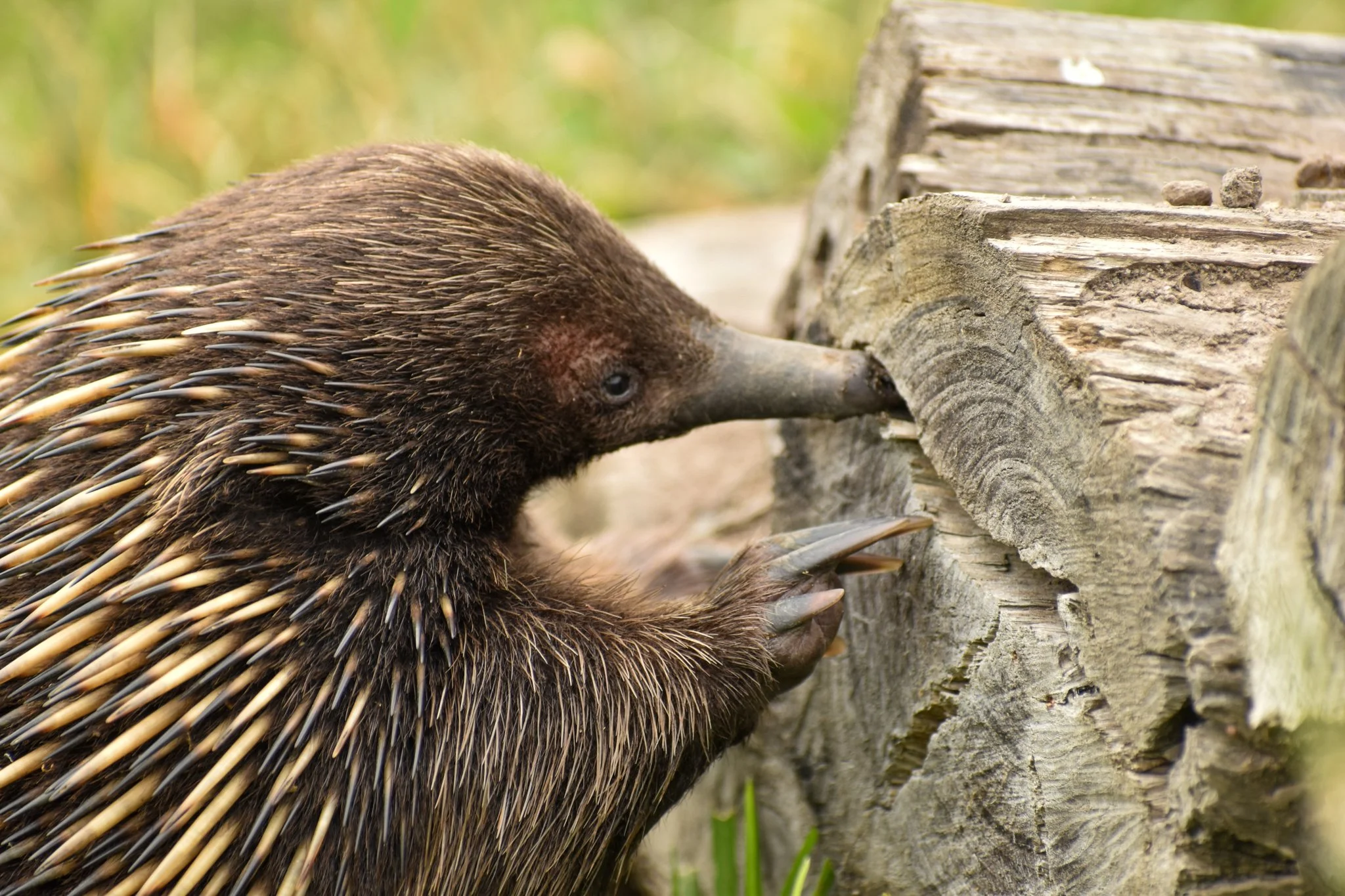
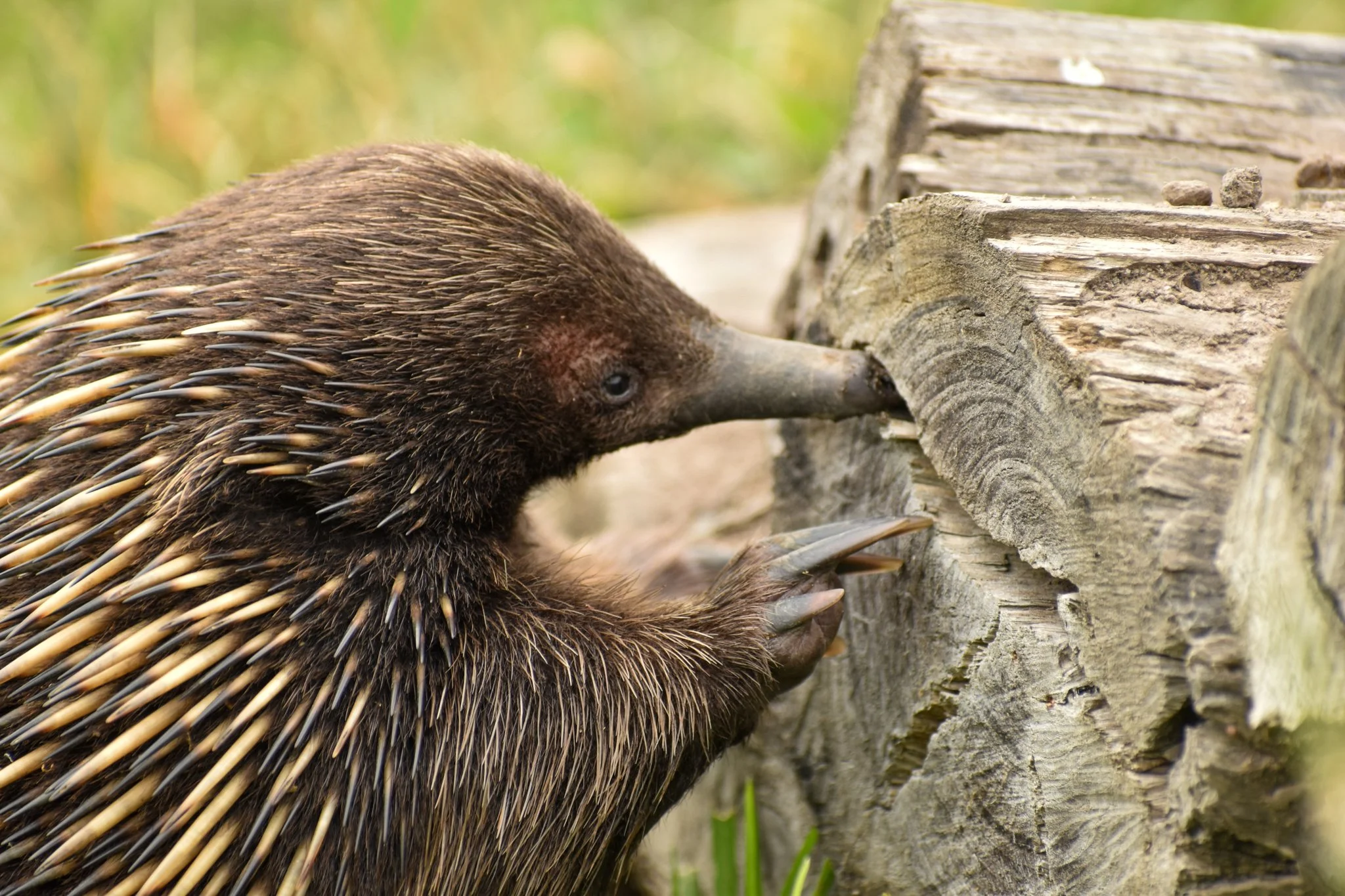
Echidnas are instantly recognisable by their sharp spines and long, narrow snout, which along with their sticky tongue they use to feed on ants and termites.
About Short-beaked Echidnas
Echidnas are one of the world's only egg-laying mammals, known as monotremes, and the Short-beaked Echidna is the only monotreme found at Wildlife Wonders. The females do not lay their eggs in a nest, but hold a single soft-shelled egg in their pouch for 10 days until it hatches. The tiny pink “puggle” is then kept safe in a nesting burrow until it emerges at about 6 months old.
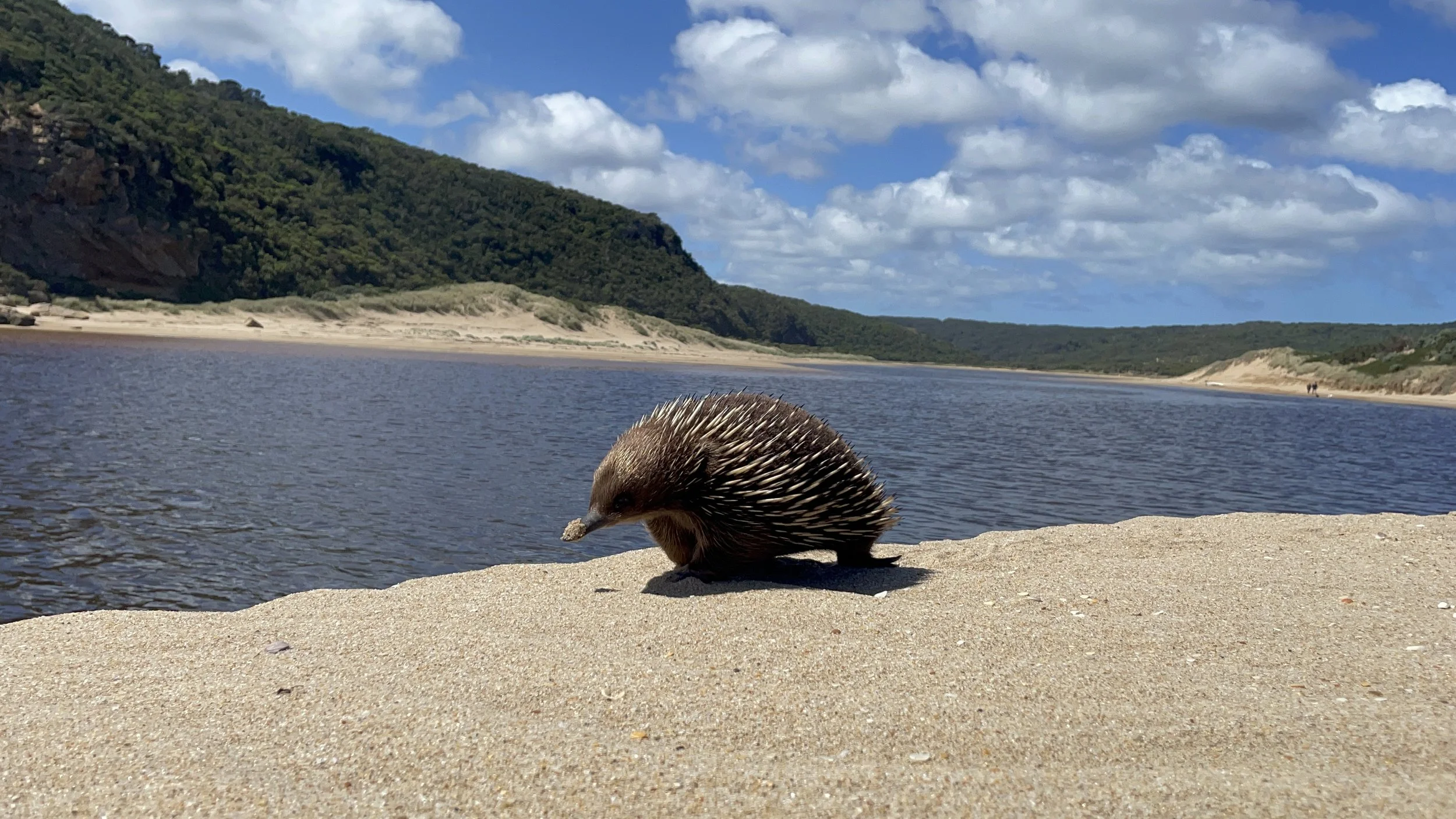
Echidnas are found all over Australia in a range of habitats, from woodlands and heathlands to mountains and arid deserts. Beneath the spines, echidnas also carry a coat of fur, and those in cooler regions like the Otways tend to be bigger and fluffier than echidnas found in warmer parts of the country.
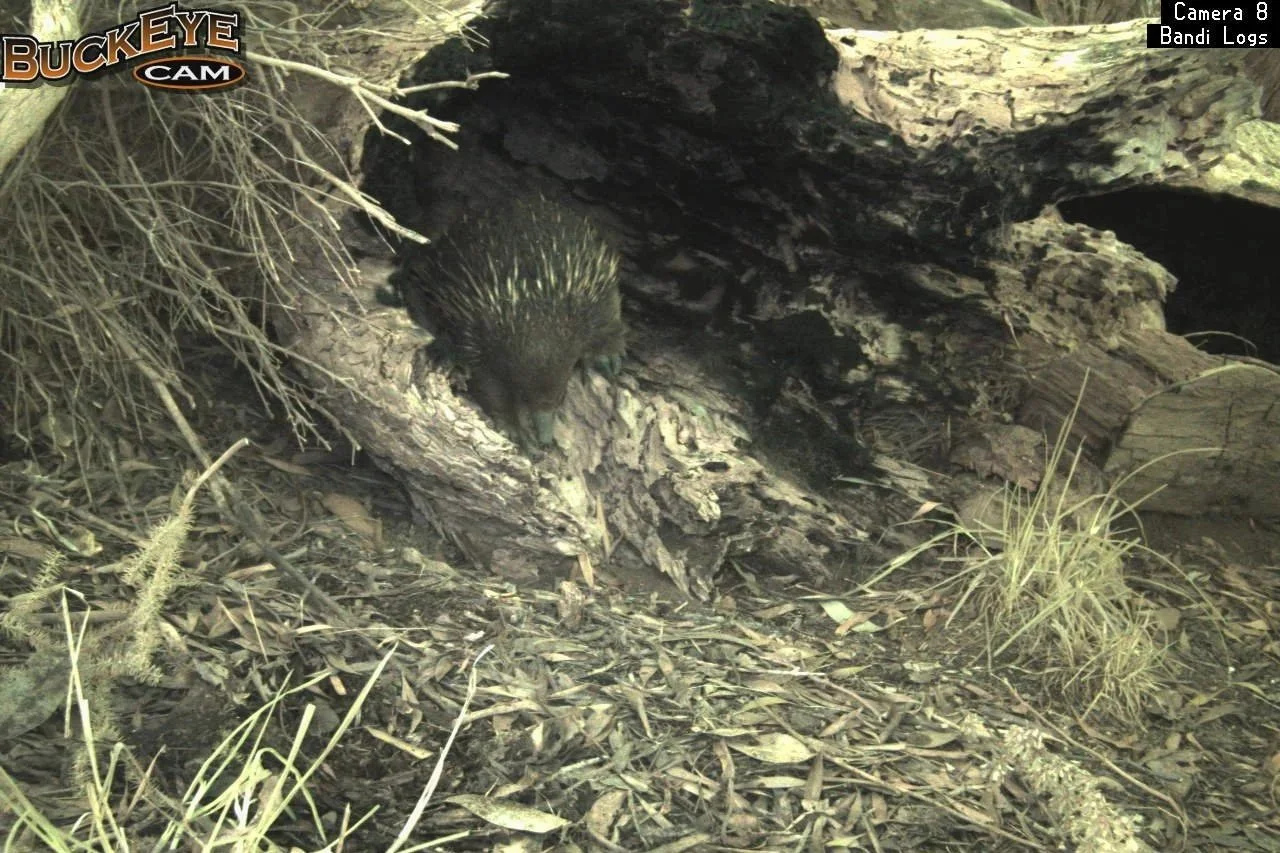
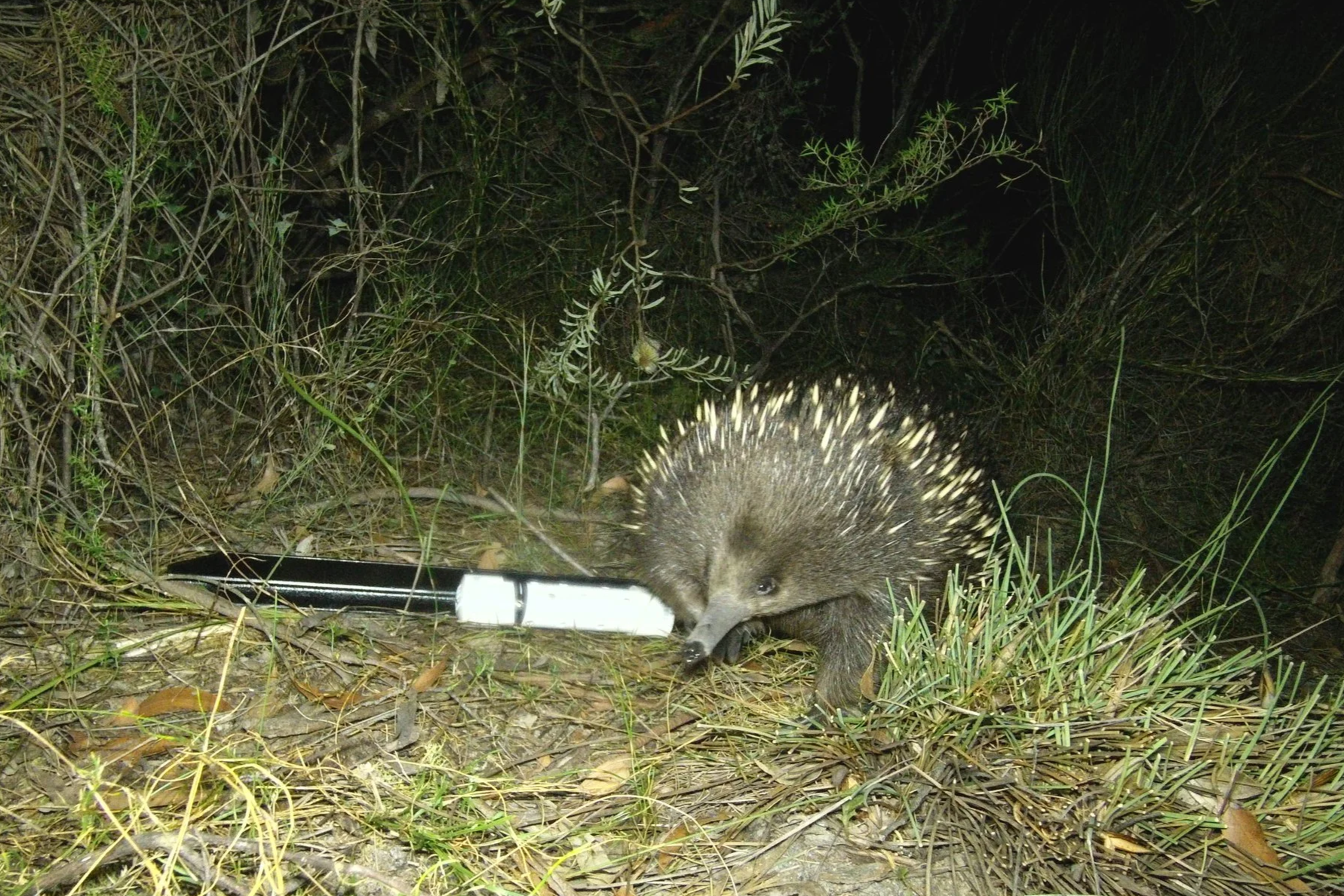
Echidnas are most active in mild temperatures, between around 16 and 22 degrees, and in the Otways may go into torpor over the colder winter months. We know they are active at Wildlife Wonders when we see the diggings they leave behind while foraging, turning over soil with their snouts in the search for ants and other insects.
When threatened, an echidna will curl into a tight ball, tucking in its head and legs so only its spines are exposed to keep predators at bay.
Book your tour for a chance to see koalas at Wildlife Wonders.