
Wildlife Welfare and Wellbeing
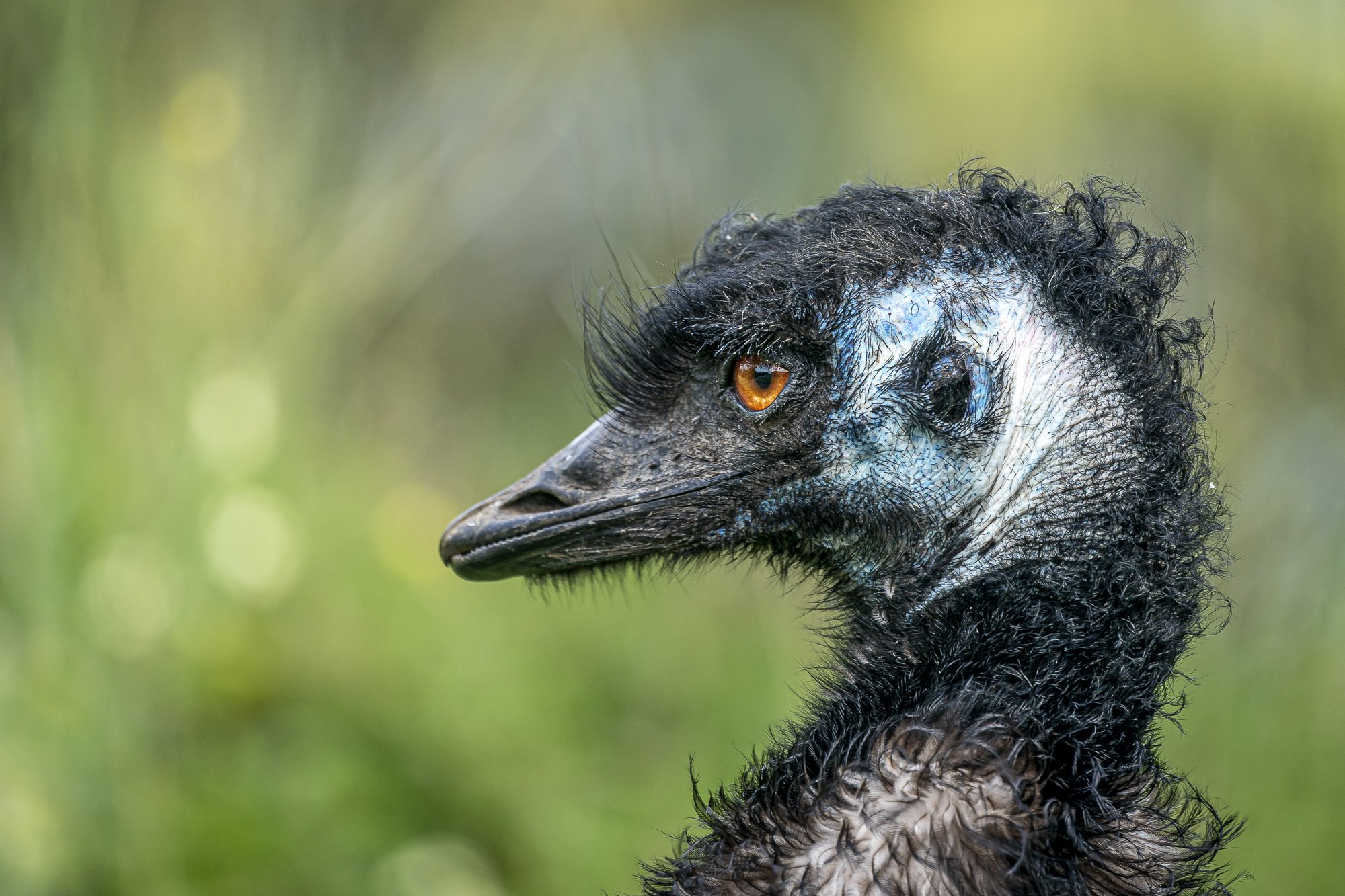
Wildlife Wonders is home to a wide range of animals, ranging from the well-loved kangaroo and koala to birds, frogs, lizards, potoroos, echidnas, and a host of lesser-known species.
Their wellbeing is our priority, alongside your safety. Wildlife Wonders cares for individual animals and their day to day lives, and also supports the habitats that they call home.

Optimising health and condition
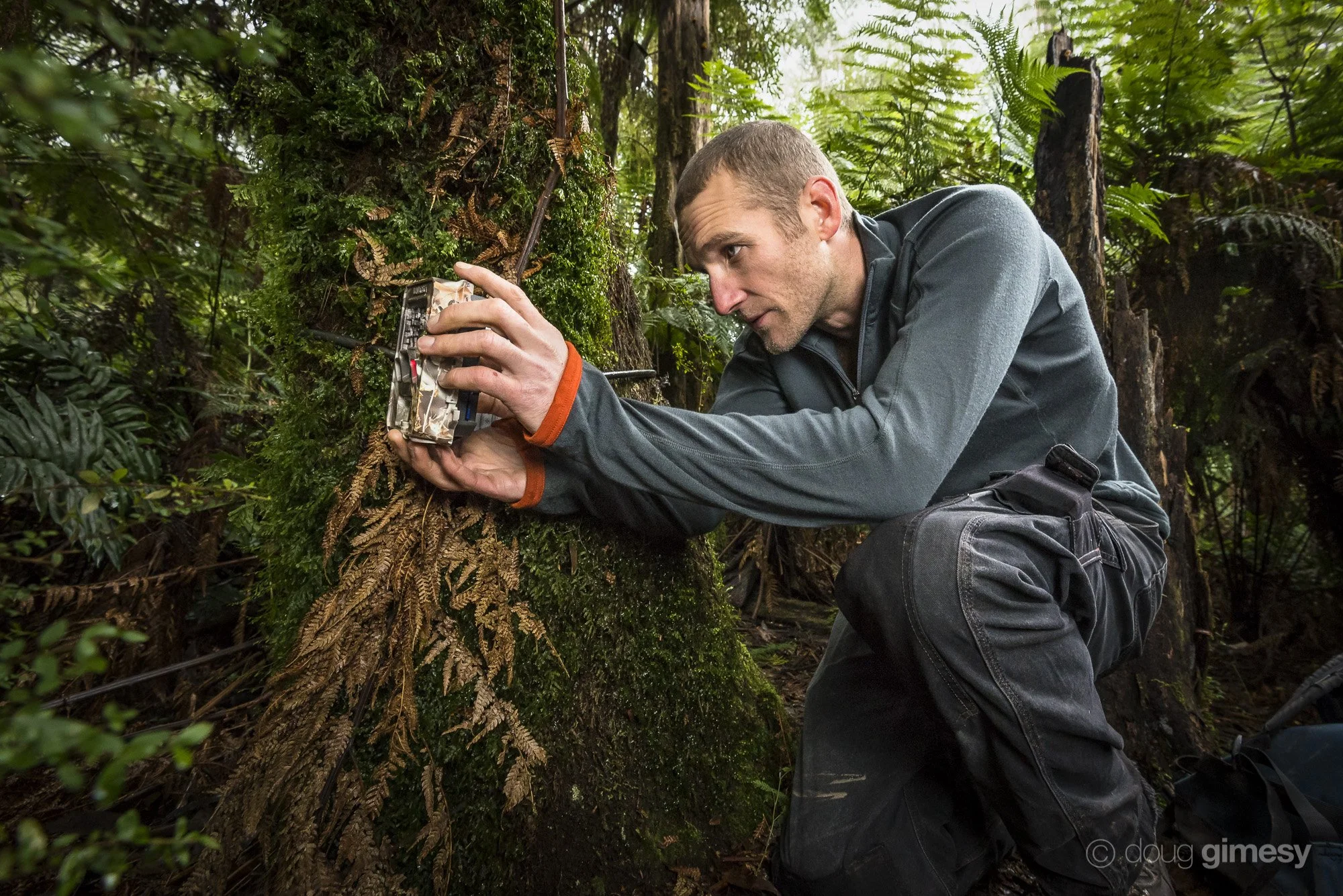
The health and condition of the wildlife living in the Sanctuary at Wildlife Wonders is carefully monitored. Non-disruptive monitoring equipment such as heat and motion sensor cameras are used as much as possible, allowing us to track animal health without disturbing natural behaviours. We provide positive reinforcement training to support animals to participate in health care, preparing for situations when interventions may be necessary. Wildlife Wonders engages veterinarians that specialise in Australian wildlife to advise and support our wildlife health program. Full health checks are carried out annually, and camera footage is checked daily to monitor our residents.
Providing natural lives
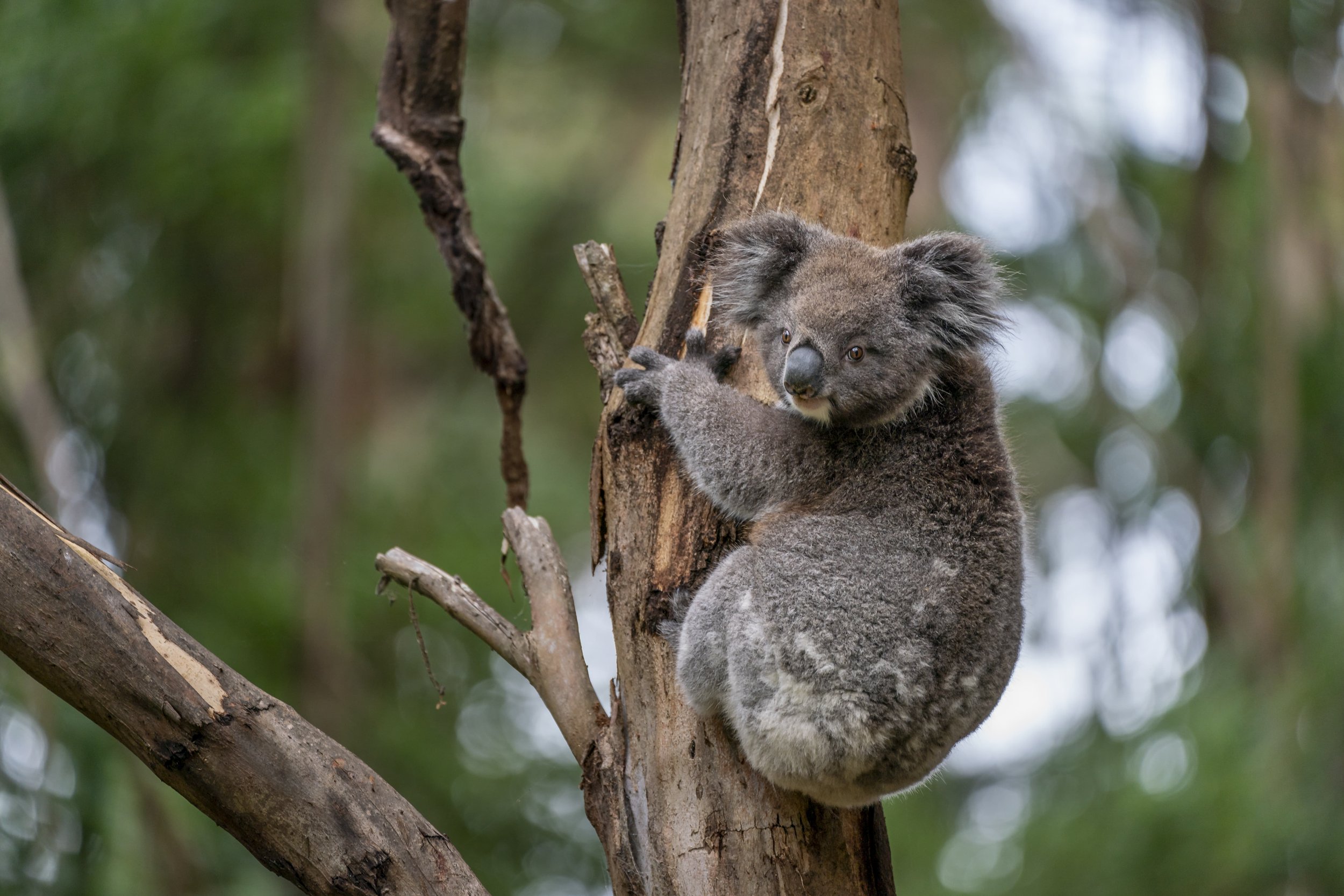
Wildlife living at Wildlife Wonders are locally indigenous, meaning they originate from the area and therefore are well adapted to the local climate and habitats. Terrestrial (ground dwelling) animals are protected from the threats of invasive predators (foxes and feral cats) by a predator-proof fence. Aerial (flying) and arboreal (tree climbing) wildlife come and go from the 30-acre Sanctuary as they choose. This includes our koala population - they are free to move in and out of the Sanctuary at any point, although we find they generally prefer to stay inside the fence.
Inside the fence there are no cages - all our animals can explore the whole Sanctuary which offers a range of natural habitats including fern gullies, forests and grasslands where the animals nest, socialise, forage and explore freely.

Visitor behaviour
At Wildlife Wonders, visitors explore the Sanctuary on tours which are conducted by qualified conservationist Nature Guides. The groups stay on carefully designed paths with their guide, while the animals are free to explore throughout the Sanctuary. This means that visitor behaviour is very predictable and animals can choose whether or not to be seen. This choice means that the wildlife are generally very relaxed and often highly visible around tour groups.
Biosecurity and bird flu
Avian influenza (bird flu) is a disease that affects wild and domestic birds as well as some mammals worldwide. It has recently been detected in Australia for the first time.
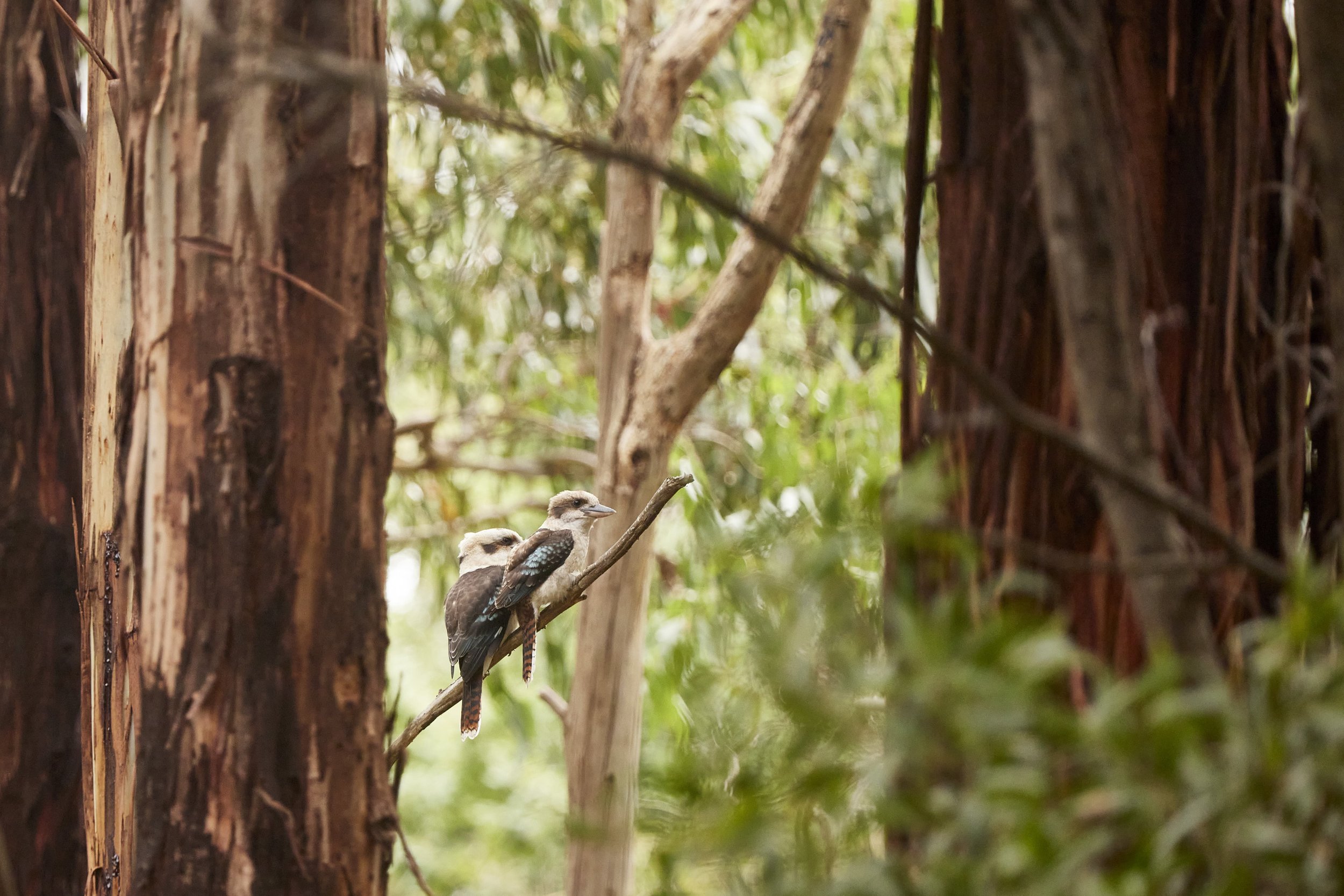
Wildlife Wonders is home to a wide range of bird species, however the Sanctuary is designed and managed to minimise the risk of disease being introduced and spread. Birds forage naturally across the 30-acre Sanctuary, and there are no feeding stations or food bowls where large numbers of birds congregate. Visitors sanitise their shoes at the start of every tour, and the Sanctuary can only be accessed with a guide along constructed paths.
Together, these measures reduce the risk of disease transmission. The health of all wildlife in the Sanctuary, including birds, is monitored daily by staff who are trained to identify and respond to any concerns.
For the latest updates and more information, visit Agriculture Victoria.
Wildlife conservation
Wildlife Wonders is a registered charity and for-purpose organisation. All proceeds from Wildlife Wonders tours, Emu Cafe and Gift & Book Shop support conservation programs across the Great Ocean Road region by supporting the critical work of the Conservation Ecology Centre. You can learn more about these projects during your tour or follow the project updates here.